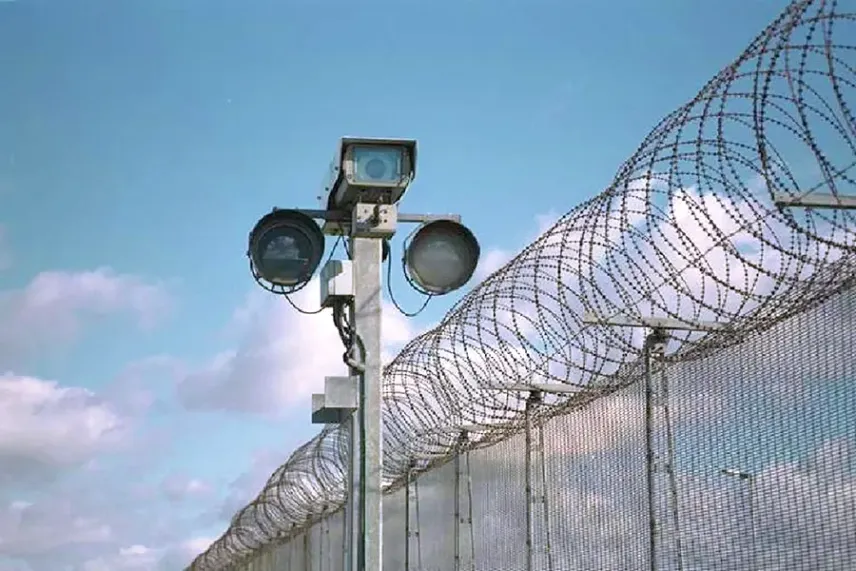
Today, engineering perimeter protection systems are considered not merely as a standalone infrastructure element but as part of a comprehensive security system for a facility. Regardless of the purpose of the territory – industrial, warehouse, infrastructure, or private – the perimeter forms the first physical line of defense. In Ukrainian conditions, this issue has become particularly relevant, as traditional requirements for reliability and durability have been supplemented by increased operational loads and the need for rapid adaptation of security systems to changing conditions. Practical experience shows that the effectiveness of perimeter protection depends not only on the type of fencing selected but also on the manufacturer’s approach to the design and production of such systems. An engineering perimeter cannot be a universal “out-of-the-box” solution, as each site has its own specific characteristics: perimeter length, terrain, access regime, and potential risk points. For this reason, a system-based approach that combines technical expertise, high-quality materials, and practical experience plays a decisive role.
A System-Based Approach to Perimeter Protection
A system-based approach to perimeter protection involves considering fencing as a set of interconnected elements rather than as a single product. These elements include the type of barrier, the installation method, perimeter configuration, and the possibility of future system reinforcement. In this context, it is important that the manufacturer or supplier of engineering solutions has a clear understanding of real operating conditions and offers solutions specifically adapted to them. Metal fences, barbed and razor elements are used not only to create a physical obstacle but also to form a deterrent effect. A properly designed perimeter complicates unauthorized access already at the stage of visual assessment by a potential intruder. For this reason, modern projects increasingly rely on combined systems in which different types of fencing complement each other. Another important aspect is the scalability and modernization potential of perimeter protection. In real conditions, security requirements may change, and the system must allow reinforcement without complete dismantling of existing structures. This approach reduces operating costs and increases the overall effectiveness of territory protection.
Materials, Structures, and Operational Requirements
When selecting engineering perimeter protection systems, materials play a key role. Metal structures must provide a long service life under conditions of temperature fluctuations, increased humidity, and possible mechanical impact. Protective coatings are equally important, as they reduce the risk of corrosion and preserve the operational characteristics of products throughout their service life. Barbed and razor barriers are used where it is necessary to create a real physical obstacle and complicate perimeter breach. They can be installed either as standalone elements or in combination with other types of fencing, forming a multi-layer protection system. In international practice, such solutions have long been a standard for facilities with increased security requirements. Special attention is paid to standardized razor systems known under the Egoza trademark. These systems are used in various countries and have clearly defined technical parameters. General reference information about these systems can be found on the specialized resource https://egoza.info/, which is often used as a guideline when analyzing modern engineering solutions.
The Role of the Manufacturer and Information Resources
In the process of selecting a perimeter protection system, the availability of technical information and transparency of the manufacturer’s approach play an important role. Catalogs, technical descriptions, and analytical materials make it possible to gain a general understanding of potential perimeter organization options already at the planning stage. Such resources often become the starting point for developing technical requirements. In Ukraine, an example of a platform focused on a system-based approach to perimeter protection is Fensys. Similar resources consolidate information about different types of engineering fencing, features of their application, and practical usage scenarios under Ukrainian conditions. They are used not only as product catalogs but also as reference sources for preliminary analysis and solution selection.
Perimeter Design as Part of Overall Security
The design of engineering perimeter protection should be carried out with consideration of the overall security concept of the facility. The perimeter is not an isolated element but interacts with other components such as access control, lighting, video surveillance, and organizational measures. Only a comprehensive approach makes it possible to achieve maximum effectiveness of physical protection. Barbed and razor barriers remain an important tool in perimeter security systems, especially in conditions where a clearly defined physical barrier is required. Their proper use, combined with a well-thought-out perimeter configuration, ensures long-term protection of the territory and reduces the risks of unauthorized access. The development of engineering perimeter protection systems in Ukraine is based on the combination of practical experience and proven technical solutions. This approach creates demand for high-quality information resources and system-oriented platforms that support informed decision-making in the field of physical security.


